How to Maintain Results After Gum Disease Treatment
Finishing treatment for gum disease often feels like the hard part is over. In reality, it is the point where maintenance becomes decisive. Whether someone has had a deep cleaning, scaling and root planing, localized antibiotic therapy, surgery, or a combination of approaches, the tissues can stabilize only if the daily and professional follow-up is strong enough to keep harmful bacteria from regaining ground.
That is the part many patients underestimate. Gum Disease Treatment can stop active destruction, reduce inflammation, and help the gums reattach as much as possible, but it does not make someone immune to relapse. Periodontal disease is usually a chronic condition with periods of quiet and periods of flare-up. The goal after treatment is not perfection. It is control, consistency, and early intervention when small changes appear.
Patients who do best tend to share a few habits. They understand what caused the disease in the first place. They accept that maintenance is not optional. They notice subtle warning signs before they become obvious problems. Most importantly, they build routines that fit real life rather than relying on bursts of motivation.
Why relapse happens even after successful treatment
The mouth is a biologically active environment. Bacteria start forming a sticky biofilm on tooth surfaces within hours after cleaning. If that film is not disrupted regularly, it matures, thickens, and spreads below the gumline. Once that happens, inflamed gum tissue creates a deeper pocket where oxygen drops and more aggressive bacteria thrive. The cycle can restart quietly, often before pain appears.
This is one reason gum disease can be deceptive. A patient may feel fine and still have inflammation developing beneath the surface. Bleeding is common, but not everyone notices it. Bad breath may come and go. Teeth can look normal in casual conversation while the underlying support is changing slowly.
Another common issue is assuming that treatment erased the original risk factors. It rarely does. Smoking, diabetes, dry mouth, bite trauma, crowded teeth, poor brushing technique, old dental work with plaque-retentive margins, and inconsistent recall visits all continue to matter. Even stress plays a role. People who clench, neglect meals, sleep poorly, and let routines slide often show more inflammation than they expect.
In practice, maintenance succeeds when the patient and dental team treat gum disease more like blood pressure management than a one-time repair. The condition may be controlled for years, but it still requires monitoring and steady habits.
The daily care that matters most
After Gum Disease Treatment, home care has one job: disturb bacterial buildup often enough that it cannot organize into a destructive colony. Fancy products help only if the technique and consistency are there.
Brushing twice a day is still the foundation, but after periodontal treatment, details matter. A soft-bristled electric brush can be very effective because it removes plaque with less effort and often less scrubbing. Manual brushes can work just as well in disciplined hands, though many people overestimate how thoroughly they use them. Two full minutes is a useful benchmark, but coverage matters more than the timer. The brush needs to reach the gumline, especially around back molars and the tongue side of lower front teeth where deposits build quickly.
Too much pressure is a frequent problem. I have seen patients who are diligent enough to brush three times a day and still struggle because they scrub aggressively. The gums stay irritated, the roots can become sensitive, and the actual plaque removal is less precise. Gentle, angled bristles at the gumline are usually more effective than force.
Cleaning between the teeth is just as important, sometimes more important. Periodontal problems often start and persist where toothbrush bristles do not reach well. Floss works for some people, but it is not the only option and not always the best one. Interdental brushes are often more useful for patients who have lost some gum tissue and now have open spaces between teeth. Water flossers can be a strong adjunct, especially around bridges, orthodontic appliances, or areas that are hard to access. What matters is choosing the method that the patient will actually use every day and using it correctly.
Mouthwash can support a routine, but it should not be mistaken for a substitute. Antimicrobial rinses may help during periods of active inflammation or right after treatment, especially when prescribed for a specific reason. Long-term use depends on the product and the patient’s needs. Some are excellent for short-term bacterial control, while others are milder and better suited for regular use. The right answer is individualized. A common mistake is grabbing a random over-the-counter rinse, swishing for 20 seconds, and assuming it balances out skipped flossing. It does not.
Dry mouth deserves special attention here. Saliva helps buffer acids, clear debris, and limit bacterial growth. Patients taking certain antidepressants, blood pressure medications, antihistamines, or sleep aids often notice more dryness, sometimes without connecting it to their gum health. If the mouth stays dry, plaque becomes stickier and inflammation is harder to control. In those cases, hydration, sugar-free xylitol products, medication review with a physician, and saliva-supportive products can make a real difference.
What professional maintenance actually does
Many people leave periodontal treatment thinking future cleanings will just “keep things tidy.” That description is too mild. Periodontal maintenance is part of treatment, not a cosmetic extra. Once someone has had significant gum disease, a standard six-month cleaning may not be frequent enough, at least for a while.
A three- to four-month schedule is common because the bacteria that drive periodontal disease can repopulate below the gumline before a six-month interval is over. That timing is not arbitrary. It reflects what tends to happen biologically. Some patients with excellent home care and low risk can eventually stretch intervals, while others should not. Smokers, patients with diabetes, people with deep residual pockets, and those with a history of rapid bone loss usually benefit from closer follow-up.
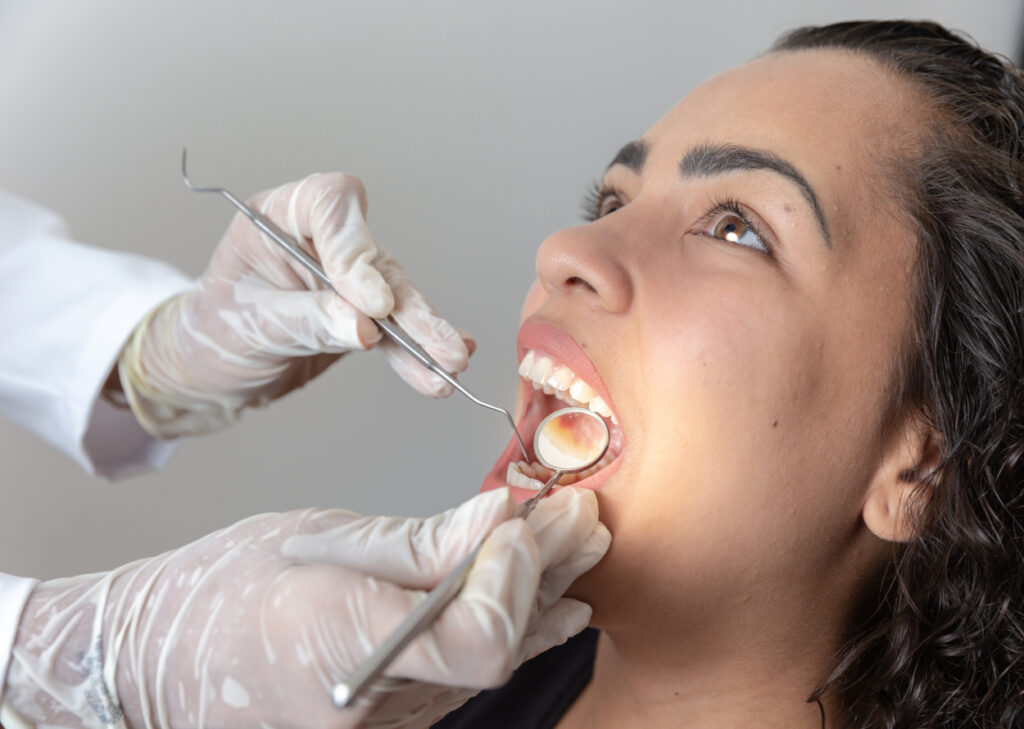
At these visits, the dental team is https://www.podbean.com/user-Jm5Yyxh2gI3G not just removing tartar. They are checking pocket depths, bleeding points, tissue tone, recession, mobility, plaque retention areas, bite issues, and radiographic changes when indicated. Those details matter because gum disease often returns in isolated areas first. A single molar with a 6 mm pocket and bleeding can tell a very different story from the rest of an otherwise healthy-looking mouth.
Patients are sometimes discouraged when they hear they will always need “special maintenance.” I usually frame it differently. This is how you protect the time, money, and healing you have already invested. It is much easier to manage a small inflamed site early than to wait until there is infection, tooth movement, or bone loss that forces another round of intensive Gum Disease Treatment.
How diet influences healing and stability
Food does not brush your teeth, but it absolutely shapes the environment in which your gums either recover or struggle. Frequent sugar exposure feeds harmful bacteria and increases plaque activity. Sticky snacks, sweetened coffee sipped for hours, and late-night grazing all prolong that effect.
There is also the inflammation side of the equation. Diets built around heavily processed foods, low fiber intake, and erratic meal patterns often overlap with poorer periodontal stability. By contrast, meals with adequate protein, high-fiber vegetables, fruit, whole grains, and healthy fats support tissue repair and more stable blood sugar. That matters because glucose swings can worsen inflammation, especially for patients with diabetes or prediabetes.
A practical example helps. One patient I saw had excellent brushing habits but continued to develop puffy, bleeding gums around the molars. Her main issue turned out to be constant snacking at work, dried fruit, crackers, flavored lattes, and “healthy” granola bars every couple of hours. Once she consolidated meals, switched to water between them, and improved her interdental cleaning, her bleeding scores dropped noticeably by the next maintenance visit. Her technique had not changed much. Her oral environment had.
The smoking factor, and why cutting down is not the same as quitting
If there is one habit that can quietly sabotage gum stability after treatment, it is tobacco use. Smoking reduces blood flow, alters immune response, changes the microbial profile under the gums, and impairs healing. Vaping is not a free pass either. The long-term periodontal effects are still being studied, but nicotine itself can compromise tissue health and mask bleeding, which means disease can progress with fewer obvious warning signs.
One frustrating feature of smoking-related periodontal disease is that the gums may look less red than expected because blood vessels are constricted. Patients sometimes take that as a sign that things are improving. Clinically, the opposite may be true.
Cutting down can be a step in the right direction, but it is not equivalent to stopping. The risk does not vanish with a small reduction. Patients who quit altogether tend to show better healing and more predictable maintenance outcomes over time. That change is not easy, and dental teams know that. Even so, it should be discussed plainly because it is one of the strongest modifiable predictors of relapse.
Diabetes and gum disease influence each other
The relationship between blood sugar control and periodontal health is close and two-way. Poorly controlled diabetes increases susceptibility to infection and delays healing. Active gum inflammation can, in turn, make blood sugar harder to manage. This is not a minor side note. It changes how aggressively maintenance should be approached.
Patients with diabetes often do best when dental visits are coordinated with medical care, especially if A1C levels have been high or unstable. Better glucose control can reduce gum bleeding and improve response to maintenance. On the dental side, reducing inflammation can support broader health. The gains are often incremental rather than dramatic, but they are meaningful.
I have seen patients become discouraged because they were doing “everything right” at home and still having pockets that would not settle. After reviewing the broader picture, the missing piece was often uncontrolled diabetes, sometimes newly recognized. Once that was addressed medically, the gums became much more manageable.
The role of bite forces and tooth grinding
Not all post-treatment problems are bacterial. Teeth that take excessive force, especially from clenching or grinding, can become mobile or tender even when plaque control is decent. Deep pockets may also be harder to stabilize around teeth that are under chronic traumatic load.
This matters because patients often interpret mobility as a sign that brushing has failed. Sometimes the bigger issue is occlusal trauma. A night guard can help in selected cases. So can adjusting a high bite, reshaping a restoration, or addressing missing teeth that have changed how force is distributed. When periodontal support has already been reduced, the remaining structure has less reserve. Force that a healthy tooth could tolerate may overwhelm a compromised one.
What warning signs deserve quick attention
After gum disease treatment, patients should not wait for severe pain before calling the office. Periodontal problems often advance with surprisingly little discomfort. The earlier a change is evaluated, the easier it usually is to correct.
Pay attention to these signs:
- Bleeding that persists for more than a few days in the same area
- A bad taste, swelling, or pus near the gumline
- A tooth that feels looser or suddenly different when biting
- Gum recession that seems to worsen quickly
- Persistent bad breath despite good home care
None of these automatically means treatment has failed. Sometimes the cause is a local irritant, food impaction, or a technique issue. But they are worth checking promptly.
Why the “perfect routine” often fails, and the realistic one succeeds
One of the biggest mistakes after treatment is designing a maintenance plan that is too ambitious to last. People leave motivated, buy five products, brush after every meal for a week, and then revert to a rushed bedtime routine because the plan was never realistic.
The better strategy is usually simpler. Create a repeatable baseline that survives busy weekdays, travel, illness, and low-energy evenings. That might mean brushing thoroughly with an electric brush twice a day, using interdental brushes every night, keeping a travel kit in a work bag, and booking maintenance visits before leaving the office rather than intending to call later.
Patients who travel frequently need a different approach from retirees with predictable schedules. Someone with arthritis may need modified handles or powered devices. A patient with crowded lower incisors may need a very specific interdental brush size, not generic floss. Good maintenance is personal. It fits the mouth and the life attached to it.
Residual pockets do not always mean failure
This point reassures many patients. After treatment, not every pocket returns to an ideal number. A few deeper sites may remain, especially around molars, furcations, or areas with prior bone loss. That does not mean the gums are hopeless. What matters is whether those sites are stable, cleanable, and not actively inflamed.
A 5 mm pocket without bleeding in a patient who maintains it well can be a very different situation from a 4 mm pocket that bleeds consistently and traps plaque. Dentistry is not only about isolated measurements. It is about patterns over time. Your dental professional is looking for trends: more bleeding, increasing depths, new recession, radiographic loss, or repeated inflammation in the same area.
Sometimes additional localized treatment is appropriate. Sometimes a difficult-to-clean crown margin or overhang needs correction. Sometimes surgery is considered to reduce a persistent pocket. And sometimes the right answer is simply careful monitoring because the area is stable enough that the risks of more intervention outweigh the benefits.
Oral appliances, restorations, and hidden plaque traps
A beautifully done restoration can support periodontal health. A poorly contoured one can work against it every day. Crowns with bulky margins, fillings with overhangs, ill-fitting partial dentures, and retainers that are not cleaned properly can all create sheltered areas where plaque accumulates.
This issue is easy to miss because the patient may be cleaning conscientiously and still losing the battle in one stubborn spot. If the same site flares repeatedly, the cause may be structural, not motivational. I have seen lower molars calm down only after replacing a crown with a subgingival margin that had become a chronic trap. Once the contours were corrected, routine home care became effective again.
Orthodontic retainers deserve their own mention. They are excellent at keeping teeth straight and equally good at collecting biofilm when neglected. Fixed lingual retainers on lower front teeth often coincide with tartar buildup and gum inflammation if the patient is not using the right threaders or interdental aids.
A practical maintenance rhythm for long-term stability
For most patients, the strongest long-term results come from a rhythm rather than isolated effort. That rhythm usually includes daily plaque disruption, attention to risk factors, and regular reassessment by a dental professional who knows the periodontal history.
A useful routine often looks like this:
- Thorough brushing twice daily with a soft brush, ideally electric if that improves consistency
- Cleaning between the teeth once daily with the tool that actually fits the spaces
- Periodontal maintenance at the interval recommended, often every three to four months at first
- Fast follow-up when bleeding, swelling, or mobility appears
- Ongoing management of smoking, diabetes, dry mouth, and grinding if they apply
That may sound basic, but basic done consistently is what preserves results.
The emotional side of maintenance
There is also a psychological hurdle after treatment that deserves acknowledgment. Many patients feel embarrassed that gum disease happened at all. Others feel frustrated that they now need more care than friends who seem to do much less. Neither reaction is unusual.
Periodontal disease is influenced by behavior, yes, but also by biology, anatomy, systemic health, medication effects, and genetics. Some people accumulate tartar faster. Some mount a stronger inflammatory response. Some have root anatomy or furcation involvement that makes cleaning dramatically harder. Shame is not useful here. Precision and consistency are.
When patients stop viewing maintenance as punishment and start seeing it as ownership, adherence improves. They are no longer “back because something went wrong.” They are protecting function, comfort, and the ability to keep their natural teeth.
Keeping the gains you fought for
The real success of Gum Disease Treatment is not measured only by what happened at the last procedure. It is measured six months later, two years later, and ten years later by whether the gums stayed quiet, the teeth stayed functional, and small setbacks were handled before they became major ones.
Healthy gums after treatment usually come from a series of ordinary choices made repeatedly. A careful bedtime routine. A maintenance visit kept even when life is busy. A call placed early when one area starts bleeding again. Better control of diabetes. A decision to quit smoking. A crown replaced because it keeps trapping plaque. None of these actions is dramatic on its own. Together, they are what preserve the result.
That is the enduring truth behind periodontal care. Treatment creates the opportunity. Maintenance protects it.
Avra Dental
Address: 1708 S Victoria Ave B, Ventura, CA 93003
Phone number: +18057653206
FAQ About Gum Disease Treatment
Can I make my gums healthy again?
Yes, you can make early-stage gum disease completely healthy again, but advanced damage requires professional care to manage.
Can you cure gum disease?
You can cure early-stage gum disease, but advanced gum disease cannot be fully cured.
Can I live a normal life with gum disease?
Yes, you can live a normal life with gum disease, but it requires active, lifelong management to control the condition and prevent serious complications